Political Ideologies
Political ideologies are coherent sets of beliefs about how society should be organized. Understanding them helps decode political positions and predict policy stances.
Emphasizes traditional institutions, limited government, free markets, and individual liberty. Seeks to preserve existing social structures and values.
Historical Context
Modern American conservatism emerged in the mid-20th century, combining traditional values with free-market economics. Key figures like William F. Buckley Jr. and Barry Goldwater shaped its intellectual foundations.
Core Beliefs
- •Preservation of traditional institutions and values
- •Limited government intervention in the economy
- •Strong emphasis on personal responsibility
- •Robust national defense and security
- •Skepticism of rapid social change
Economic View
Free markets, lower taxes, deregulation, fiscal responsibility. Believes economic freedom leads to prosperity.
Social View
Traditional values on family and social issues. May support religious liberty protections.
Policy Examples
Modern Variants
Historical Figures
Figures in Our Database


Advocates for civil liberties, social justice, and government programs to address inequality. In the American context, supports an active government role in society.
Historical Context
American liberalism evolved from classical liberalism, especially during the New Deal era under FDR. It expanded to embrace civil rights, environmental protection, and social programs.
Core Beliefs
- •Protection of civil rights and liberties
- •Government programs to address inequality
- •Progressive taxation to fund public services
- •Environmental protection and regulation
- •Multicultural and pluralistic society
Economic View
Mixed economy with significant regulation. Supports safety nets, minimum wage, union rights.
Social View
Progressive on social issues. Champions equality, diversity, and individual expression.
Policy Examples
Modern Variants
Historical Figures
Figures in Our Database
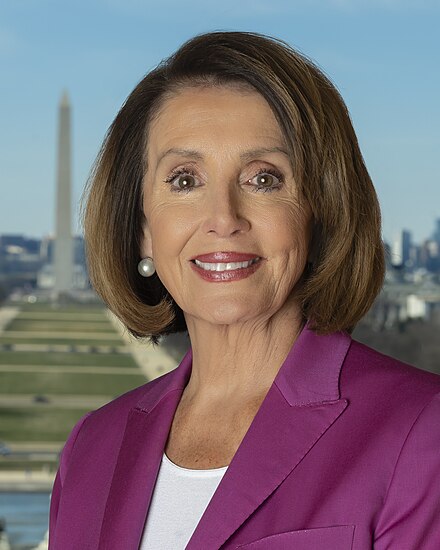

Seeks systemic reform to address deep-rooted social, economic, and environmental problems. Goes further than mainstream liberalism in scope of desired change.
Historical Context
Has roots in the early 20th century Progressive Era (Teddy Roosevelt, suffrage movement). Modern progressivism emerged as the left wing of the Democratic Party.
Core Beliefs
- •Systemic reform of economic structures
- •Significant wealth redistribution
- •Aggressive climate action
- •Healthcare as a fundamental right
- •Campaign finance and democratic reform
Economic View
Strong regulation, wealth taxes, breaking up monopolies. Some support democratic socialism.
Social View
Emphasizes equity (not just equality), intersectionality, and structural change.
Policy Examples
Modern Variants
Historical Figures
Figures in Our Database

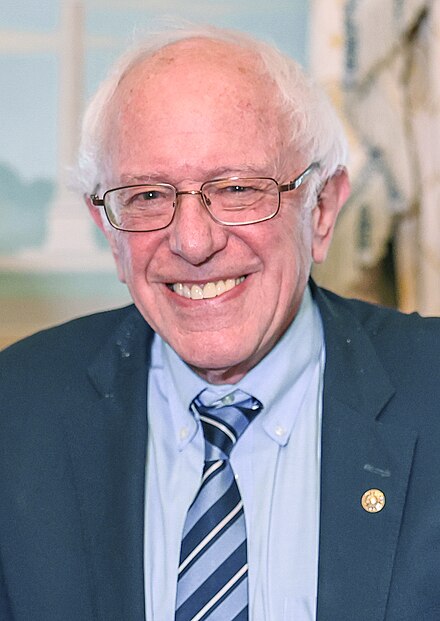


Prioritizes individual freedom and minimal government in both economic and social matters. Consistent skepticism of government power across all domains.
Historical Context
Draws from classical liberalism, Austrian economics, and American individualism. The Libertarian Party was founded in 1971.
Core Beliefs
- •Maximum individual liberty in all spheres
- •Minimal or no government intervention
- •Free markets without subsidies or barriers
- •Non-interventionist foreign policy
- •Strong civil liberties protections
Economic View
Laissez-faire capitalism. Opposes most taxes, regulations, and government programs.
Social View
Liberal on personal freedoms (drugs, lifestyle). Opposes government involvement in personal choices.
Policy Examples
Modern Variants
Historical Figures
Figures in Our Database


Appeals to "ordinary people" against perceived corrupt elites. Can manifest on both left and right, united by anti-establishment sentiment.
Historical Context
American populism dates to the late 1800s People's Party. Modern populism spans Trump's right-wing and Sanders' left-wing movements.
Core Beliefs
- •The "people" vs. corrupt "elites"
- •Skepticism of establishment institutions
- •Economic protection for workers
- •Direct appeals to common citizens
- •Distrust of mainstream media and experts
Economic View
Varies widely. Right populists favor protectionism; left populists favor redistribution.
Social View
Right populists: nationalist, traditional. Left populists: progressive, class-focused.
Policy Examples
Modern Variants
Historical Figures
Takes positions from across the political spectrum, prioritizing pragmatic solutions over ideological purity. Values compromise and bipartisanship.
Historical Context
Centrism has always existed but became more defined as parties polarized. "Third Way" politics emerged in the 1990s with Clinton and Blair.
Core Beliefs
- •Pragmatic, evidence-based solutions
- •Bipartisan cooperation when possible
- •Incremental rather than radical change
- •Mixed economy with market orientation
- •Skepticism of ideological extremes
Economic View
Market-based with targeted interventions. Fiscally responsible but not anti-government.
Social View
Moderate positions, often evolving. May be progressive on some issues, traditional on others.
Policy Examples
Modern Variants
Historical Figures
Figures in Our Database
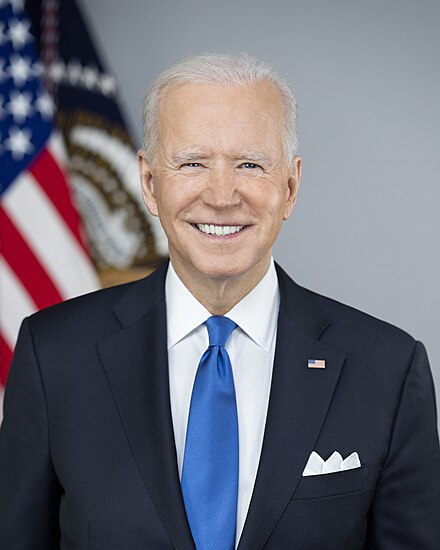
Understanding the Differences
How these ideologies relate to each other
Left vs Right
The left-right spectrum primarily concerns economics. The left favors more government intervention and redistribution; the right favors free markets and individual economic freedom.
Libertarian vs Authoritarian
This axis concerns personal freedom and state power. Libertarians distrust government authority; authoritarians believe strong government is necessary for order.
Liberal vs Progressive
Both are on the left, but progressives want more systemic change while liberals prefer working within existing systems with reforms.
Conservative vs Libertarian
Both favor free markets, but conservatives often support government enforcement of traditional values while libertarians oppose government involvement in personal matters.
Note: These categories are simplifications. Real political views are complex and multidimensional. Individuals often hold positions that span multiple ideologies, and ideologies themselves evolve over time.